When it comes to home maintenance, few things make you more nervous than the word “foundation.” It’s easy to assume the worst when you spot a crack in your basement wall or a door that no longer closes properly. Unfortunately, the internet is full of misleading advice about what these signs mean and how serious they are. We’ll bust five of the most common foundation-repair myths.
Myth #1: All Foundation Cracks Mean Big Trouble
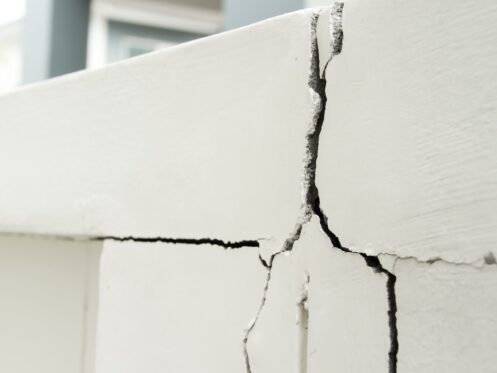
Not every crack is a sign your home is sinking into the ground. In fact, small vertical or hairline cracks are often just part of a home’s natural settling process, especially in newer construction. These usually don’t indicate a structural issue. That said, not all cracks are harmless. If you notice wide horizontal cracks, gaps that keep expanding or uneven floors, it’s time to take a closer look. Those can be signs of shifting soil, drainage problems or structural movement that may need professional attention.
The Truth: Small cracks can be cosmetic, but large or growing cracks deserve an inspection. When in doubt, call our team of foundation specialists to determine whether it’s a simple cosmetic fix or something that requires repair.
Myth #2: Foundation Repair Always Costs a Fortune
One of the biggest fears you may have is that foundation work will drain your savings. While it’s true that serious structural repairs can be expensive, not every situation requires a massive project. Sometimes, you can resolve a foundation problem through minor grading adjustments, fixing drainage issues or sealing cracks with epoxy. Addressing early warning signs can often prevent major repairs down the road, saving you thousands.
The Truth: Foundation repair costs vary widely depending on the issue and the size of your home. Getting a professional inspection early helps you catch problems before they escalate into costly damage.
Myth #3: You Can DIY Foundation Repairs
There’s no shortage of online videos promising easy, do-it-yourself fixes for cracks and uneven floors. While these may seem tempting, underlying soil conditions or moisture issues usually cause foundation problems, and a quick patch job won’t fix them. For example, applying store-bought crack filler might hide the visible problem, but if the foundation is still moving, the crack will reappear, or new ones will form. In some cases, improper DIY fixes can make the situation worse by trapping moisture or preventing proper drainage.
The Truth: Foundation repairs require specialized knowledge and equipment. Our foundation experts use proven methods, like piering (repair method), wall anchors and drainage correction, to fix the cause of the issue, not just the symptoms.
Myth #4: Foundation Problems Only Happen in Old Homes
While older homes tend to have visible wear and tear, foundation problems can occur in houses of any age. In fact, newer homes can get foundation issues more quickly because of poor construction practices. Expansive clay soil and heavy rainfall can affect the ground beneath your home. A brand-new house can also experience shifting if the soil under your home was not properly compacted.
The Truth: Age is not the only factor. In addition to soil movement, poor drainage and improper grading can cause foundation stress at any stage of a home’s life. Regular inspections and proper water management are key to preventing future issues.
Myth #5: If I’ve Repaired My Foundation, It’ll Never Have Problems Again
While professional repairs can help to stabilize your foundation and stop existing movement, they do not make your home immune to what happens in the future. Foundations are always affected by environmental conditions, especially if expansive clay or seasonal freeze-thaw cycles are a concern. A well-done repair should come with a strong warranty, but it is still important to maintain your property afterward.
The Truth: Quality repairs can last a lifetime, but ongoing maintenance is an important part of keeping your foundation stable and strong.
When Should You Call a Professional?
How can you tell you need to bring in a foundation expert? Here are a few warning signs you should not ignore:
- Cracks wider than a one-quarter of an inch in walls or floors
- Doors or windows that stick
- Uneven floors or visible sagging
- Water pooling around your foundation
Contact Us for a Professional Inspection
Foundation myths can make you panic and cause you to ignore real warning signs. The best approach is to stay informed and get expert advice before jumping to conclusions. We have been providing foundation services to the Dallas area since 2003. If you’re worried about your foundation, call Structured Foundation Repairs today.
