
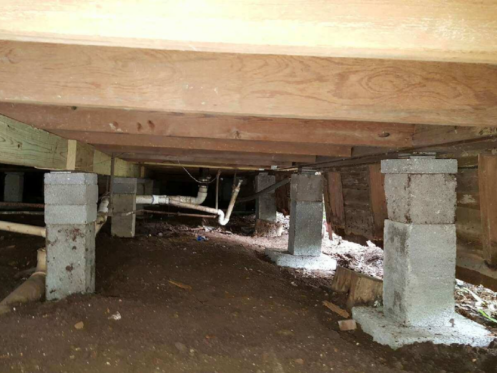
You most likely do not think about your foundation until something feels off. A door suddenly sticks, a hairline crack appears above a window, or you notice the floor slopes and makes you question whether it always did that. Your foundation supports everything you love about your home, but it is constantly under pressure from soil movement, inclement weather, and drainage issues. The good news is that foundation care does not have to feel overwhelming. With a few smart habits and professional services, you can protect your foundation and reduce the need for major repairs down the road.
What Is Foundation?
Your home’s foundation is the structural base that supports your home. It transfers the weight of your walls, floors, roof, and everything inside the space safely and evenly into the ground. Without a stable foundation, your home cannot stay level or structurally sound.
Most residential foundations include several key components. The footing sits at the very bottom and spreads the home’s weight across a wider area of soil. This design helps prevent sinking and shifting. Above the footing, foundation walls rise up to support the structure, and these walls create the basement or crawl space boundaries in many homes. In slab-on-grade homes, the foundation includes a thick concrete slab that rests on prepared soil and supports the home directly.
Foundations tend to use reinforced concrete, concrete block, brick, or stone, depending on the age of the home and regional construction practices. Many foundations also include steel reinforcement, waterproofing materials, drainage systems, and anchor points that stabilize framing and keep the structure connected.
Foundations may last for decades, but they still respond to changing environmental conditions. Soil expands and contracts, water moves through the ground, and seasonal changes affect the moisture levels around the home. These conditions do not always cause failure right away, but they will influence your foundation’s stability over time.
Why Your Foundation Needs Regular Maintenance
A foundation can handle tremendous weight, but it cannot ignore long-term stress without consequences. Minor issues often start small and remain easy to correct early, but they can become expensive when you overlook them.
Water is one of the biggest threats to foundation health. When rainwater collects around your home, it seeps into the soil and increases pressure against foundation walls. This pressure can push walls inward, widen cracks, and create leaks in your basement or crawl space. In colder climates, freeze-thaw cycles make the situation worse by forcing water to expand when it freezes, then contract again as it melts. Over time, these repeated cycles weaken concrete and masonry.
Dry conditions can also cause problems. When soil dries out, it shrinks and pulls away from the foundation. This shift leaves pockets of emptiness, allowing parts of the foundation to settle unevenly. Uneven settling can lead to cracked drywall, sloping floors, and misaligned doors and windows.
Skipping foundation maintenance also puts other home systems at risk. Foundation movement can put a strain on plumbing lines, create gaps around windows and doors, and worsen moisture issues that lead to mold growth. A compromised foundation can reduce home value and create complications during inspections when you sell. Regular maintenance means noticing early warning signs, managing water responsibly, and keeping the foundation’s environment stable.
Homeowner Tips To Protect Your Foundation
You can protect your foundation year-round by focusing on consistency. Foundations prefer stable conditions. When you reduce sudden changes in moisture, soil movement, and pressure, you make it easier for the foundation to stay level and strong. These habits work best when you treat them as routine home care rather than emergency fixes. A foundation does not need perfection, but it does need attention and balance.
Inspect Regularly
Regular inspections help you spot changes early, before they become larger repairs. You do not need to be an expert to notice common warning signs. Walk around the exterior of your home every few months and look for cracks in the foundation, brickwork, or siding. Pay attention to whether cracks look new, longer, or wider than before. Small hairline cracks can occur naturally as concrete settles, but growing cracks deserve closer attention.
Inside the home, notice changes in how doors and windows open. Sticking doors, new gaps at the top of door frames, or windows that feel harder to latch may indicate shifting. Watch for cracks in drywall that reappear after repairs, especially diagonal cracks near doorways or corners of windows.
Basements and crawl spaces reveal a lot about foundation health. Look for dampness, musty smells, visible water staining, or white chalky deposits on concrete walls. These deposits, called efflorescence, often indicate moisture movement through masonry. A flashlight and a few minutes of observation can save you from months of unnoticed damage.
Ventilate Your Home
Ventilation protects your foundation because moisture problems do not stay contained. Humid air trapped in basements and crawl spaces creates condensation on walls, beams, and insulation. That condensation encourages mold, wood rot, and corrosion of metal supports. Moisture also weakens some building materials and increases the likelihood of foundation-related issues.
Good airflow reduces humidity and helps keep basement and crawl space conditions stable. You can run a dehumidifier in damp basements during humid months and check that vents or fans function properly. Crawl spaces benefit from controlled moisture management, which may include vapor barriers or encapsulation, depending on your home’s structure and climate.
Ventilation also matters for the rest of the house. When indoor humidity is too high, moisture can migrate downward into your basement. Managing whole-home humidity levels supports foundation health and helps protect indoor air quality.
Clean Gutters and Downspouts
Your gutters and downspouts have a direct role in foundation health because they control where roof water goes. When gutters clog with leaves and debris, water spills over the edge and falls directly next to the foundation. That constant saturation creates soft soil and increases pressure against the foundation walls.
Clean gutters regularly, especially during fall and spring. During heavy rain, check whether water flows smoothly through downspouts without spilling. Make sure downspouts extend far enough from the home to carry water away. Short downspouts dump water too close to the foundation, undoing the protection gutters should provide. Splash blocks and downspout extensions can help direct water outward, and grading around the home should slope away from the foundation so water does not collect.
Trim Trees and Shrubs
Landscaping can protect your home, but it can also create foundation problems if it grows too close. Tree roots seek moisture, and they can disturb soil near the foundation as they expand. Large trees near your home may also dry out the soil during summer by pulling moisture from the ground. That drying can lead to uneven settling when the soil shrinks.
Trimming shrubs and keeping landscaping at a safe distance reduces moisture imbalance and helps with visibility during inspections. It also prevents plant growth from trapping moisture against siding and foundation surfaces. If you have mature trees near the home, you do not necessarily need to remove them immediately. You should monitor their distance, growth pattern, and the condition of the soil around them. Our team can evaluate whether roots are a risk and recommend the next steps that you should take.
Schedule Professional Inspections
Professional inspections provide clarity and prevent guesswork. Even when you are attentive, you can miss subtle warning signs or underestimate the seriousness of changes. Our professional foundation specialists understand how soil conditions, drainage patterns, and structural loads interact. A professional inspection will help you identify early soil movement, moisture issues, and structural stress before major damage has the chance to occur.
Schedule Foundation Services With Structured Foundation Repairs
Foundation problems do not improve without action, and the sooner you address warning signs, the more straightforward repairs become. Structured Foundation Repairs provides expert foundation services to protect your home and preserve its value.
We have been building foundations and trust in the Dallas-Fort Worth area since 2003. Schedule a foundation assessment with our team today.
