
The start of a new year is an ideal time to reset priorities around your home. You may focus on interior projects, energy efficiency, or landscaping plans, but one of the most important parts of the home, the foundation, is often forgotten. Planning foundation maintenance for the new year gives you the opportunity to protect your home’s structure, prevent costly repairs, and address small issues before they grow into major problems. This guide explains how to plan foundation maintenance for the year ahead and why a proactive approach makes such a difference.
Why Foundation Maintenance Deserves a Place on Your Annual To-Do List
Your foundation supports everything above it, yet it responds to what happens below and around your home. Seasonal moisture changes, soil expansion and contraction, and drainage issues can place stress on the structure year after year. Without regular attention, small warning signs can turn into a structural movement. Foundation maintenance is not about fixing problems. It focuses on monitoring conditions and identifying changes before issues with the foundation occur.
Start With a Baseline Foundation Evaluation
Every maintenance plan that is effective begins with understanding your current foundation condition. If you haven’t had an evaluation in the last two years, schedule one early in the new year to create a baseline that you can use for comparison. An inspection helps determine whether cracks are cosmetic or structural, whether floors remain level, and whether any movement appears active.
At Structured Foundation Repairs, we encourage homeowners like you to think of inspections as preventative care rather than a sign that something is wrong. Knowing where your foundation stands allows you to monitor changes over time instead of guessing. You don’t want to wait until something is already seriously wrong before you schedule foundation services.
Learn How Seasonal Changes Affect Your Foundation
One of the most important foundation lessons you can learn is that movement tends to follow seasonal patterns. Wet seasons can cause expansive soils to swell, while dry periods allow soil to shrink and pull away from the foundation. Planning maintenance for the new year means accounting for these seasonal cycles. During wetter months, excess moisture around the foundation can increase hydrostatic pressure. During dry months, soil shrinkage can lead to settling and cracking.
Create a Moisture Management Strategy
Moisture control plays a central role in foundation maintenance. Too much water or too little water around the foundation can both cause movement. Planning ahead allows you to address moisture balance intentionally. Start by evaluating your home’s drainage system. Gutters should remain clear and downspouts should extend water away from the foundation. Grading should slope away from the home so that water does not collect near the slab or basement walls.
You may benefit from irrigation adjustments or soaker hoses during dry periods to maintain consistent soil moisture. You may need drainage improvements to manage excess runoff. A foundation professional from our team can help determine the best approach based on your soil type and foundation design.
Monitor Cracks and Structural Changes Throughout the Year
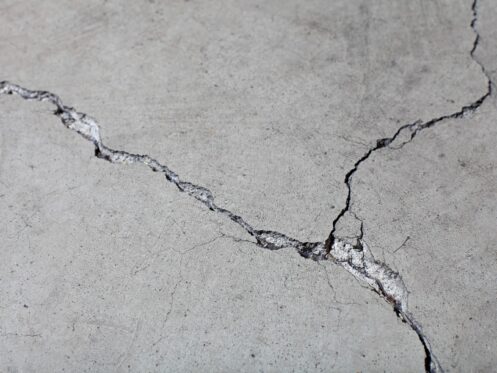
Cracks often cause concern, but not all cracks indicate structural failure. Planning foundation maintenance includes monitoring existing cracks and watching for new ones. Documenting crack size and location early in the year gives you a reference point. If cracks widen, lengthen, or reappear after repair, they may indicate ongoing movement that needs additional attention.
Pay attention to changes inside the home as well. Doors that suddenly stick, windows that no longer open smoothly, or floors that feel uneven can signal foundation shifts. Early detection allows for targeted solutions instead of widespread repairs.
Include Drainage and Soil Conditions in Your Plan
Foundation maintenance extends beyond the concrete itself. Soil conditions beneath and around your home directly influence foundation stability. Planning ahead means identifying areas where soil erosion, pooling water, or poor compaction may exist. Landscaping changes, heavy rainfall patterns, and nearby construction can all alter soil behavior.
You can easily overlook how trees, shrubs, and root systems affect soil moisture. Large trees close to the foundation can draw moisture from the soil, increasing the risk of settlement. A maintenance plan should include regular checks of landscaping and root growth near the home.
Schedule Preventative Adjustments Before Problems Escalate
The new year provides a chance to schedule preventative adjustments before visible damage appears. These adjustments might include improving drainage, sealing minor cracks, or correcting grading issues.
Addressing these factors early often costs far less than repairing structural damage later. Homeowners who plan ahead gain flexibility in timing and budgeting rather than reacting under pressure. Structured Foundation Repairs often works with you to prioritize recommendations so maintenance steps align with both the condition of the home and your long-term goals.
Plan for Foundation Maintenance Around Renovations
If you plan home improvements in the coming year, foundation maintenance should be part of the planning process. Renovations such as room additions, kitchen remodels, or flooring upgrades can add weight or change load distribution. Ensuring your foundation remains stable before major projects protects your investment. Flooring materials like tile or hardwood can crack if installed over an unstable foundation. Cabinetry and structural additions may also reveal or worsen existing issues.
Understand When Monitoring Is Enough and When Action Is Necessary
Not every foundation issue requires immediate repair. Part of effective maintenance involves knowing when monitoring is appropriate and when intervention makes sense. Some homes show minor settlement that stabilizes over time. Others experience progressive movement that requires structural solutions. A professional assessment helps distinguish between the two. Planning maintenance lets you schedule follow-up evaluations and track changes, rather than making decisions based on assumptions.
Budget for Long-Term Foundation Care
Foundation maintenance works best when it fits into a realistic budget. Planning for the new year allows you to set aside funds for inspections, minor adjustments, or potential repairs if needed. Rather than facing unexpected expenses, a maintenance plan spreads costs over time. This approach reduces financial stress and allows you to choose solutions thoughtfully instead of under emergency conditions.
Make Foundation Maintenance a Habit, Not a Reaction
One of the biggest shifts you will experience is moving from reactive foundation repairs to proactive care. A new year provides the perfect opportunity to establish foundation maintenance as a regular habit. Simple seasonal check-ins, moisture monitoring, and professional evaluations create a system that protects your home year after year. Instead of worrying about foundation problems, homeowners gain peace of mind knowing they are staying ahead of potential issues.
A Strong Start Sets the Tone for the Year Ahead
Planning foundation maintenance for the new year is one of the smartest investments you can make in your home. The new year is the perfect time to take control of your foundation’s health and ensure your home rests on solid ground. At Structured Foundation Repairs, we have been providing solid foundations in the Dallas area since 2003. If you are ready to start the year with confidence, contact us for an appointment today.
