Your home sits on a foundation, so a careful inspection is worth it. The process is straightforward when you know what will happen and why it matters. A pro checks how the structure sits, how water moves and where stress shows up. At Structured Foundation Repairs in Dallas, TX, we guide you through each step, ensuring you understand what we see and what comes next.
Why Should You Schedule a Foundation Inspection?
An inspection gives you a clear picture of movement, moisture and wear before damage spreads. Small shifts can show up as hairline cracks, sticking doors or sloping floors. Water near the foundation can soften soil and push on walls. An inspection connects these clues to their causes. You get measured readings instead of guesses, which helps you decide on the right fix and the right timing. If you are buying or selling, a written report helps set fair expectations and prevents last-minute surprises. Regular checks also let you track changes from season to season, so decisions feel calm, not rushed.
What Happens First: A Simple Walk-Through
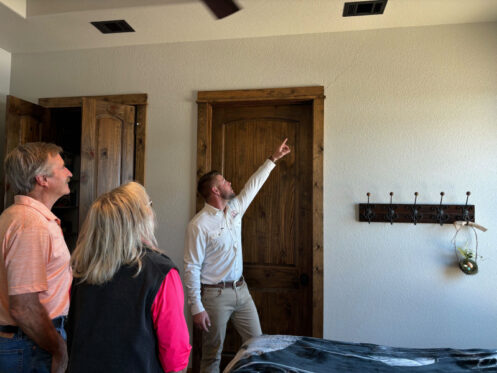
The visit starts outside. The inspector looks at grading, downspouts, walkways and any visible cracks. They note tree roots, soil type and where the water pools after rain. Then, they move inside to look at walls, trim gaps, door swings and floor lines. This first pass sets the map for the rest of the work. You can point out spots that worry you, like a corner crack or a window that sticks. Photos document each area so the report makes sense later. The goal is to see the whole picture before taking measurements.
Tools Pros Use to Measure Movement
Good inspections use simple tools well. A long level or laser shows high and low points across rooms. A zip level or similar device records elevation changes from one corner to another. A moisture meter checks damp spots on walls and in crawlspaces. A crack gauge records the width so future checks can compare numbers. In basements, a probe can check for hidden moisture behind finished walls. On slabs, the inspector maps elevation points in a grid so you can see patterns, not just single numbers. These readings turn hunches into facts and help you choose the right repair instead of an expensive guess.
Common Findings and What They Mean
Not every crack is a crisis. Hairline shrinkage cracks in concrete are common and may not need repair. Stair-step cracks in block or brick can show lateral pressure from soil or poor drainage. Horizontal cracks on a basement wall can mean bowing and call for bracing. A slab that settles near a heavy tub or kitchen island may need lifting or soil work. Doors that rub can signal framing movement tied to the foundation or to humidity. Moist spots near corners often trace back to short downspouts or clogged drains. The inspection links each symptom to potential causes and ranks them by urgency so you can act in the right order.
Drainage and Moisture: The Usual Suspects
Water near the house causes many foundation problems. During the visit, the inspector looks at gutter size, outlet locations and how the yard slopes. Short downspouts that dump at the wall are flagged. Soil that slopes toward the house is noted. In crawlspaces, the inspector looks for wet soil, sagging insulation and then smells the air to see if there is a musty odor. In basements, they check for efflorescence, peeling paint lines and damp corners. If water is the driver, the report will point to fixes, like longer downspouts, better grading or drain improvements before structural work. Drying the area first protects any repair that follows.
What a Clear Report Looks Like
You should get a simple document with photos, notes and measurements. It lists what was checked, the readings taken and what those readings mean. It separates cosmetic issues from structural ones and explains the order of work if repairs are needed. Look for plain language on risk and timing. Some items can wait for observation. Others need faster action. The report should help you plan, not overwhelm you with jargon. Keep it on file so future checks can compare against a known baseline.
Safety, Cost Clarity and Time On-Site
Safety comes first. Inspectors will not open risky areas or move gas lines and electrical panels. If access is blocked, they will tell you how to prepare for a follow-up. The visit length depends on the size of the home and how many areas are finished, though most homes are mapped and measured in a few hours. Before work begins, you should see a clear price for the inspection and know what the fee includes.
Ready to Schedule a Foundation Inspection?
If you have cracks, sticking doors or signs of moisture, a foundation inspection will give you clear answers and a plan that fits your home. We handle inspections, drainage improvements, wall bracing, slab lifting and crawlspace upgrades, and we keep the process simple from first visit to final check. Schedule your foundation inspection with Structured Foundation Repairs today.
